Movement, Breath, and Play
An Integrative Exploration of Qigong and Laughter Yoga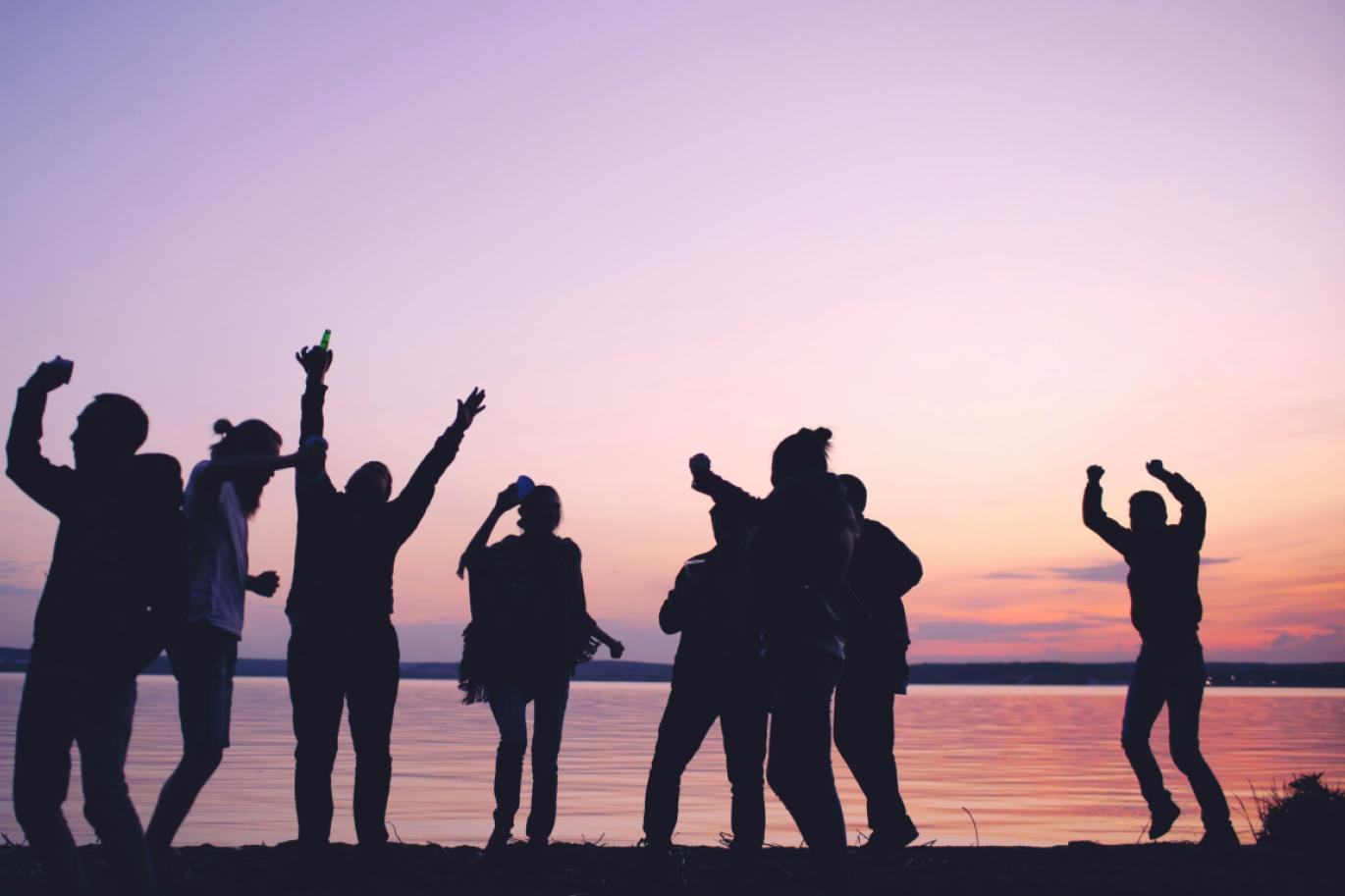
4-week online course
What becomes possible when gentle movement, breathwork, and play are explored through an integrative health lens?
Movement and breath can be powerful pathways to presence, regulation, and connection. This 4-week online course offers an experiential introduction to two joyful and contemplative practices—qigong and laughter yoga—that support mind–body well-being. Through gentle movement, breathwork, and playful exploration, participants are invited to reconnect with their body and cultivate presence in a supportive, health-informed setting.
Qigong, often translated as “energy cultivation,” is a movement meditation rooted in Traditional Chinese Medicine. Laughter yoga combines intentional laughter with yogic breathing to support emotional balance, stress relief, and resilience. While these practices have distinct qualities, they also complement one another in meaningful ways.
In this course, we explore qigong and laughter yoga both separately and in combination, highlighting how movement, breath, and play can work together to support balance and joy. Participants are invited to meet themselves with curiosity, kindness, and a sense of play.
No prior experience is required.
{"preview_thumbnail":"/sites/osher.ucsf.edu/files/styles/video_embed_wysiwyg_preview/public/video_thumbnails/IH03Gt6tEbc.jpg?itok=aIoSituz","video_url":"https://www.youtube.com/watch?v=IH03Gt6tEbc","settings":{"responsive":1,"width":"854","height":"480","autoplay":0},"settings_summary":["Embedded Video (Responsive)."]}
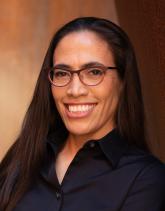
Instructor
This course may be a good fit if you:
- Are curious about gentle, somatic approaches that support relaxation and resilience
- Are navigating stress, burnout, or life transitions
- Are interested in accessible tools to support self-care and emotional balance
- Enjoy learning through movement, breath, and experiential exploration
This is an introductory course. Participants are encouraged to modify experiences as needed and honor their own limits.
If you are currently experiencing acute trauma symptoms or are in crisis, this program may not be the right fit at this time. We encourage you to consult with a healthcare provider to explore the support that may be most helpful for you.
This course is designed to be welcoming and accessible to a wide range of participants. Practices are gentle and can be adapted for different bodies and energy levels. Participants are encouraged to listen to their own needs and to rest, modify, or pause as needed.
You are welcome to explore the practices seated, standing, or in any position that feels supportive for your body. Cameras may be on or off at any time. During the laughter yoga portions, keeping cameras on, when possible, can be helpful, as mirror neurons play a key role in the interactive nature of the practice and support its effectiveness.
While the qigong exercises are primarily taught in a standing position, many movements can be modified and practiced seated. There is no expectation to perform or keep up—each session emphasizes self-paced exploration and choice.
During the laughter yoga portions, keeping cameras on, when possible, can be helpful, as mirror neurons play a key role in the interactive nature of the practice and support its effectiveness.
If you have questions about accessibility or would like to discuss specific needs in advance, please reach out to the Osher Center Public Classes team.
Each session is facilitated to offer a supportive, inclusive space to explore:
- Gentle qigong experiences as a form of moving meditation
- Laughter yoga exercises that invite playfulness and embodied joy
- Simple integrative experiences that invite movement, breath, and awareness
- Creative and reflective exercises
- Optional small- and large-group discussion
- A closing practice to settle and integrate
Practices are accessible to beginners and emphasize choice, self-pacing, and listening to your own body.
We explore these practices through the lenses of mindfulness and creativity—qigong as a slow, meditative “dance,” and laughter yoga as a playful form of mindfulness. Together, they highlight how movement and breath can support not only stress relief or fitness, but also connection, expression, and renewal.
Students will learn:
- Qigong experiences based on the Yoqi® Six Phases of Qi Flow, developed by Marisa Cranfill
- Laughter yoga experiences developed or inspired by Dr. Madan Kataria, the founder of laughter yoga
As with any movement or breath-based approach, some conditions may require extra care:
- Laughter yoga may not be appropriate at this time for individuals with recent surgery, untreated heart conditions, severe respiratory issues, active hernias, or acute physical or emotional pain.
- Qigong may not be appropriate at this time for individuals with unstable cardiovascular conditions, acute injuries, significant balance issues without support, vertigo aggravated by movement, active psychosis or severe dissociation, or acute infections.
- Practices are always optional, and participants are encouraged to prioritize their own comfort and safety.
- Consult with your healthcare provider if you have questions about whether this class is appropriate for you.
This four-week program costs $195.
The course is free for individuals who qualify for the Community Care Fund financial assistance program. Discounts are available for University of California (UC) faculty, staff, students, retirees, and UCSF MBSR Alumni.