Movement Medicine: Qigong Practices to Promote Health
Gentle exercise to optimize energy, health, and well-being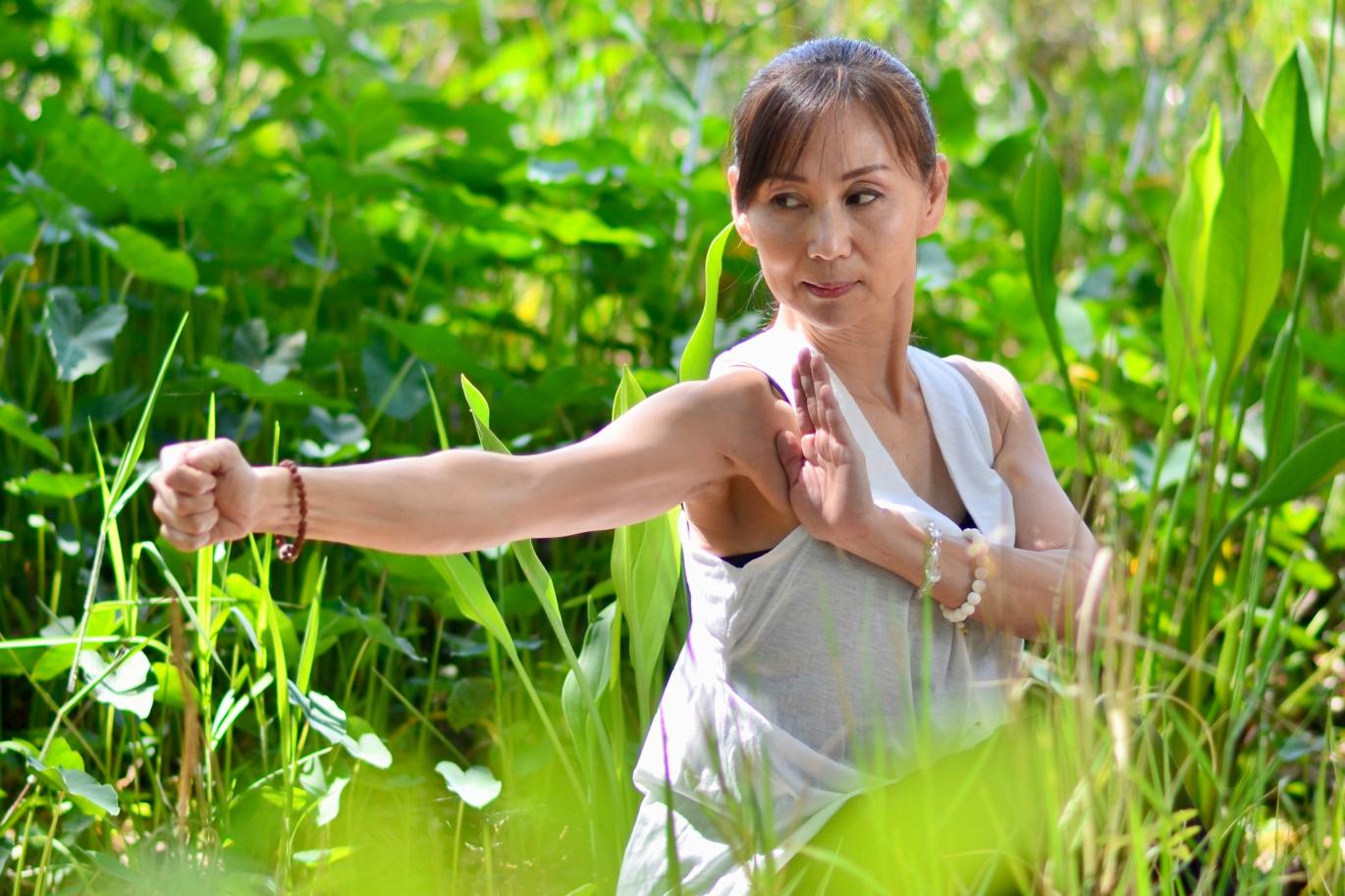
Qigong, pronounced “chi gong,” was developed in China thousands of years ago as part of Traditional Chinese Medicine. It involves using exercises to optimize energy, health, and well-being of the mind, body, and spirit. Qigong has both psychological and physical components and involves the regulation of the mind, breath, and body’s movement, and posture. There are several health benefits of practicing Qigong, including improved sleep quality, energy, mood (including depression and anxiety), and balance. It has also been shown to help with fall prevention. Qigong may also help with pain, stress, cognition, memory, lung function and capacity, high blood pressure, and overall quality of life.
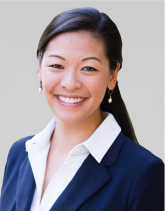
This series includes three weekly sessions taught by Dr. Stephanie Cheng.
The series combines evidence-based interventions, group discussion, personal reflection, and strategies you can begin using right away. Each of the three weekly sessions will follow this general format: introductions/check-ins, discussion and counseling on movement medicine, recommendations for tailored Qigong practices (majority of the session), and Q&A.
The sessions are open to participants of all ability and fitness levels. Most of the practices taught during these sessions will take place standing; however, the instructor will demonstrate seated modifications for all movements.
To register, please ask your doctor to place a referral. A referral is required, regardless of insurance. For additional questions, call the Osher Center Clinic at 415-353-7700.
Participants must be available to attend all 3 sessions.
Who are these sessions for?
Qigong GMVs are open to all adult patients.
Does insurance cover these visits?
Yes, they are billed as video visits. Like any other medical visit, insurance will be verified, and authorization will be sought if need be.
What can I expect?
Each Qigong GMV series consists of three 1-hour weekly sessions. Qigong, pronounced “chi gong,” was developed in China thousands of years ago as part of Traditional Chinese Medicine. It involves using exercises to optimize energy, health, and wellbeing of the body, mind, and spirit. Qigong has both psychological and physical components and involves the regulation of the mind, breath, and body’s movement, and posture. There are several health benefits of practicing Qigong, whose movements are typically gentle, smooth, and often relaxing. Most of the practices during these sessions will take place standing; however, the instructor will demonstrate seated modifications for all movements. The sessions are open to participants of all ability and fitness levels. The sessions will be led by Dr. Stephanie Cheng and other trained providers.
Where do these sessions take place?
All sessions will take place virtually on Zoom.
What should I wear?
Please dress in comfortable clothing that allows for the full range of motion of your arms and legs (can be loose fitting or more spandex-like, or whatever you prefer). If you will be outside during the session, please dress in weather-appropriate clothing and shoes, and consider dressing in layers. Some movements generate heat, whereas some positions that are more still are unlikely to be heat-generating (i.e., you may cool off during these portions).
Is Qigong physically strenuous?
The beauty of the practice is that it can be tailored for all fitness and ability levels. Most of the movements are very gentle and slow. Several practices take place standing, but the facilitator will demonstrate modifications that can be made to perform the movements from a seated position. Participants also always have the option to pass or rest during any of the practices.
Are caregivers allowed to join?
Yes. At this time, each patient can have one caregiver/loved one join the sessions.
Can I join late?
Please make every effort to join on time (or even better, log onto Zoom a few minutes early). If you are running late, please call 415-353-7700 or message the team on MyChart. Participants will not be admitted 10 minutes past the session start time. If you are running late and miss the session, we will be happy to reschedule you.
What’s the difference between Tai Chi and Qigong?
Tai Chi originated as an ancient martial art, but over the years it has become more focused on health promotion and rehabilitation. When Tai Chi is performed for health, it is considered a form of Qigong and involves integrated physical postures, focused attention, and controlled breathing. Tai Chi is one of the hundreds of forms of Qigong exercises that was developed in China. Other forms of qigong include Baduanjin, Liuzijue, Hu Yue Xian, Yijin Jing, and medical Qigong. We will be practicing movements from the Yang Sheng Gong Qigong sets that originated at the internationally renowned Wudang Five Immortals Temple in China. Dr. Cheng’s teacher is the highly-regarded Wudang Gong Fu and Daoism teacher, Wei Cheng Ling (Lindsey Wei).
What are the benefits of Qigong?
Qigong has been shown to have numerous health benefits, including improved sleep quality, energy, mood (including depression and anxiety), and balance. It has also been shown to help with fall prevention. Qigong may also help with pain, stress, cognition, memory, lung function and capacity (in patients with COPD), high blood pressure, and overall quality of life.
How many participants are in each session?
Each session is capped at 10 participants.
Are there any contraindications to participating in these Qigong sessions?
Qigong practice is generally safe. If you feel weak (e.g., due to chemotherapy or chronic illness), you may consider doing some of the practices in a seated position (rather than standing). As above, standing and seated modifications will be demonstrated by the facilitator. There will be time for Q&A at the end of each session during which you can ask questions regarding movements/positions.
What if I want to do Qigong for more than just 3 sessions?
The team will provide several additional resources that can support your ongoing Qigong practice.
Can I repeat the 3-session series more than once?
Yes! Though if there is a waitlist, new patients who have not yet participated may be prioritized.
Where can I learn more about the benefits and practice of Qigong?
There are several websites and resources where one can learn about the health benefits of practicing Qigong. Here are a few examples:
- National Center for Complementary and Integrative Health (NCCIH): https://www.nccih.nih.gov/health/qigong-what-you-need-to-know
- Memorial Sloan Kettering Cancer Center: https://www.mskcc.org/cancercare/integrative-medicine/therapies/qigong
- Cleveland Clinic: https://health.clevelandclinic.org/what-are-the-health-benefitsof-qigong