Nature Therapy
Virtual forest therapy walk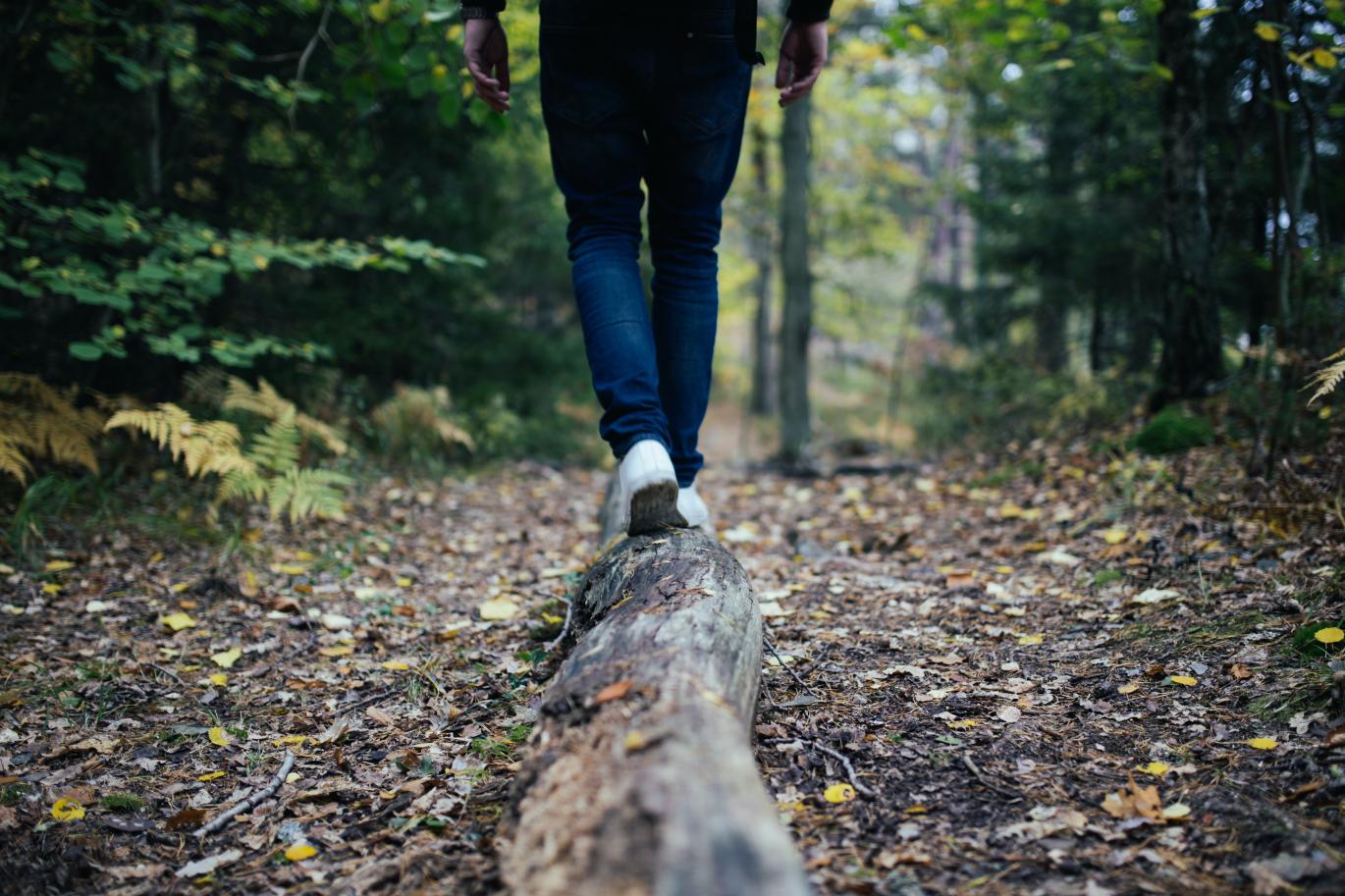
Palliative care physician and nature and forest therapy guide Dr. Stephanie Cheng will lead participants through a healing experience in the natural world. Nature and forest therapy involves the therapeutic immersion in nature and is based on the Japanese practice of shinrin-yoku, or forest bathing, to nourish mind, body, and soul. Forest therapy has been shown to decrease stress, improve mood, and improve sense of well-being.
Each 90-minute session combines evidence-based interventions, group discussion, personal reflection, and strategies you can begin using right away. The 90-minute visit includes a gentle guided walk with ample time for wandering and sitting and is suitable for all fitness and ability levels. There will be a series of sensory invitations offered to help participants slow down and connect with the natural world. There will also be opportunities to share experiences with others in the group. Participants join virtually using Zoom from the green space of their choice.
Participants may choose a natural setting such as a local park, yard, state park, or any other local green space (e.g., Golden Gate Park or the Presidio, if you live in San Francisco, or find a California State Park). The one requirement is that participants must have cell phone service or WiFi to participate on Zoom for the full 1.5 hours.
Unlike other group medical visits, this is a single session and not a full series. However, participants are welcome to register for multiple walks.
{"preview_thumbnail":"/sites/osher.ucsf.edu/files/styles/video_embed_wysiwyg_preview/public/video_thumbnails/s8Pxm5WITRA.jpg?itok=jIq42rov","video_url":"https://youtu.be/s8Pxm5WITRA","settings":{"responsive":1,"width":"854","height":"480","autoplay":0},"settings_summary":["Embedded Video (Responsive)."]}
Why is it called forest “bathing”? Are we actually taking a bath?
No, no actual bathing in water will take place. The practice is called forest bathing because one is bathing their senses in the natural world and bathing in several compounds released by trees (called phytoncides) that we actually inhale and absorb and can have an impact on our immune systems.
Does insurance cover these visits?
Yes, they are billed as a video visit (new or follow-up depending on whether the patient has established care with palliative care before). Like any other visit, insurance will be checked and authorization will be sought if need be.
Where do these sessions take place?
Sessions will take place virtually using Zoom.
You can choose a natural setting such as a local park, yard (at your residence or that of someone you know), state park (https://www.parks.ca.gov/parkindex), or any other local green space (e.g., Golden Gate Park or the Presidio if you live in San Francisco). The one requirement is that you have cell phone service (or WiFi) as you will be logged into Zoom for the full 2 hours. During wandering/exploring periods, you can be off screen and put your phone in your pocket or bag (as long as you can still hear the audio).
Special note about location: Most people prefer to be in a quiet location and away from major roadways or groups of people. However, it may not be possible to find a place totally removed from all roads/people, and one may still hear cars/people nearby, and that is okay. There are no “bad” or “wrong” locations, but some people may find that quieter areas away from crowds/cars are more supportive of their experience. Many people also like choosing an area with trees, but this is up to you. Email/call Dr. Stephanie Cheng if you have questions or would like help finding a location.
Is this physically strenuous?
The beauty of the practice is that it can be tailored for all fitness levels. People can go to a local park (or other local greenspace) or join the session from home, whatever works best for them. However, if you do havemobility issues, please let the provider know so she is aware and can reach out to the patient ahead of time. In general, the content is very adaptable and appropriate for all mobility levels.
What should I wear and/or bring?
Dress in comfortable, weather appropriate clothes and shoes. Wearing layers is recommended as you will be moving slowly and possibly sitting (so you won’t be generating any heat and it may be cooler than you expect). Check the weather forecast so that you can prepare accordingly.
Other things to bring: It’s recommended that you bring a bag or backpack with the following items:
- Tea (or other warm beverage) in a travel mug or thermos for the end of the walk (or if a thermos/mug is not available, any beverage is fine, e.g., water in a water bottle)
- A sweater or jacket (preferably a waterproof jacket if rain is forecasted)
- Sunscreen, insect repellent, hat, sunglasses, and any other items you might need for your wellness and comfort
- Something small to sit on like a blanket, cushion, or pillow if there are no benches/seating options at
How can I feel connected with nature if I’m on my device for 2 hours?
Much of the session is spent off screen (see above).
Can I join for multiple sessions?
Yes! Join as many as you’d like. Each session is a little different, so you could call in from the same location and connect with it differently and/or you could also call in from a different location.
Are caregivers allowed to join?
At this time, the sessions are for patients only. However, if one needs a caregiver in order to participate, please call the Osher Center to discuss (415-353-7700).
Can I join late?
If you anticipate being more than 5 minutes late, we respectfully request that you choose another date. Fortunately, sessions are offered usually 2x per month.
Is this like mindfulness meditation? How is this different from just meditating in nature?
This practice includes elements of mindfulness, but it is its own unique approaches and is different in format from mindfulness groups.
How many participants are in each session?
Each session is capped at 5 people. Please note: If only one person has signed up as of 24 hours before the scheduled walk, this person may be asked to sign up for a different date.
Can I learn more about the benefits of nature therapy?
The practice of nature originated in Japan, where it is called shinrin-yoku or “forest bathing.” Trees produce organic compound called phytoncides, which have antibacterial, antifungal, and antiviral properties. In 1982, the Japanese started researching the benefits of bathing in the phytoncides of the forest and were surprised to discover that time in nature was associated with:
- Reduced stress and anxiety
- Lower blood pressure, lower heart rate, increased heart variability
- Improved clarity, memory, and less “Busy Brain”
- Improved sleep and mood
- Increased number of natural killer cells (white blood cells) to fight cancer, infections and viruses
Books
- Your Guide to Forest Bathing, M. Amos Clfiford
- Forest Bathing: How Trees Can Help You Find Health & Happiness, Dr. Qing Li
- A Field Guide to Nature Meditation, Mark Coleman
- How to Be More Tree: Essential Life Lessons for Perennial Happiness, Potter Gift
Websites
- Forest Bathing Finder
- The Benefits of Forest Bathing
- Information on Phytoncides (wood essential oils, which are antimicrobial volatile organic compounds derived from trees): NY Dept of Environmental Conservation, Effect of forest bathing trips on human immune function.